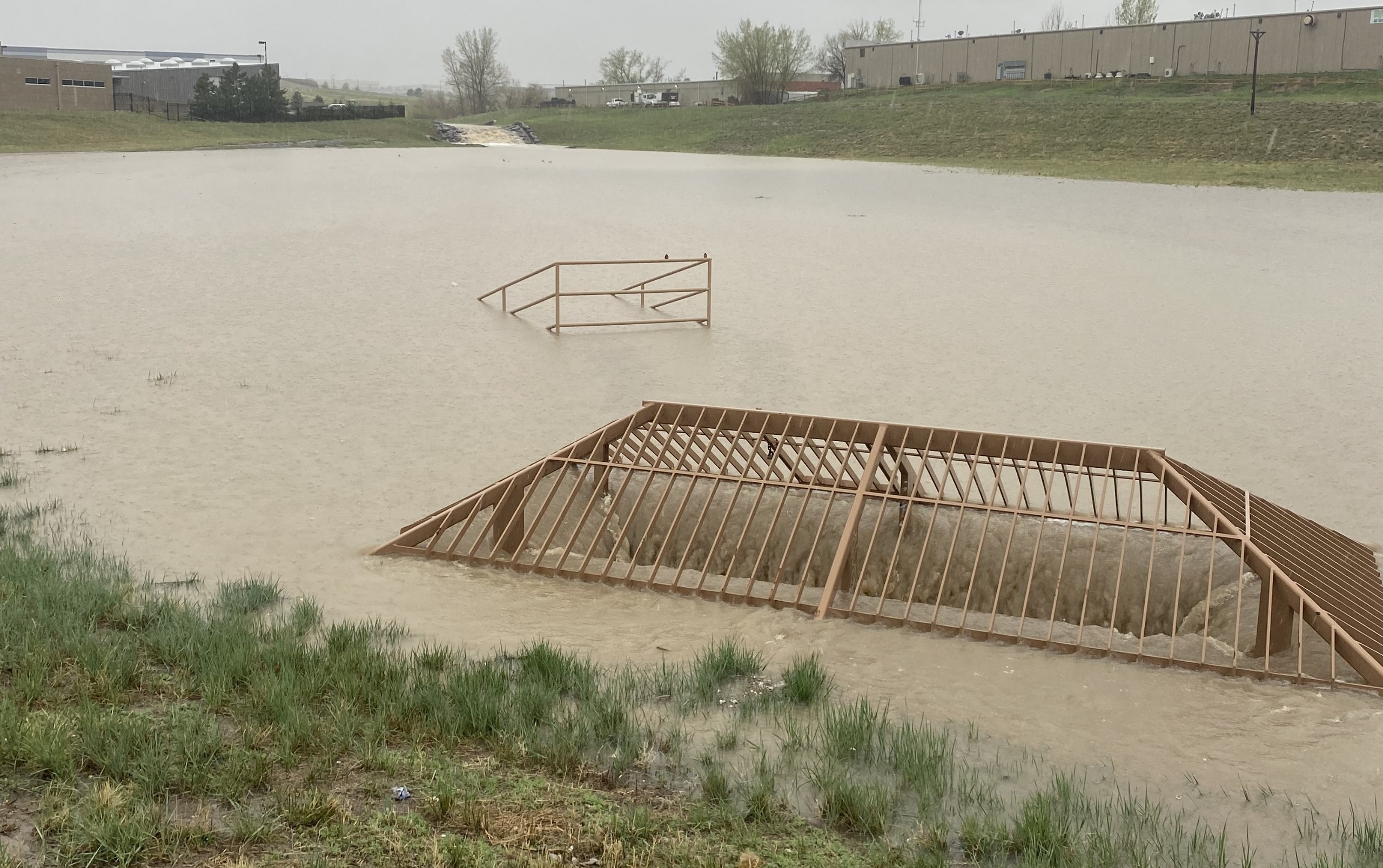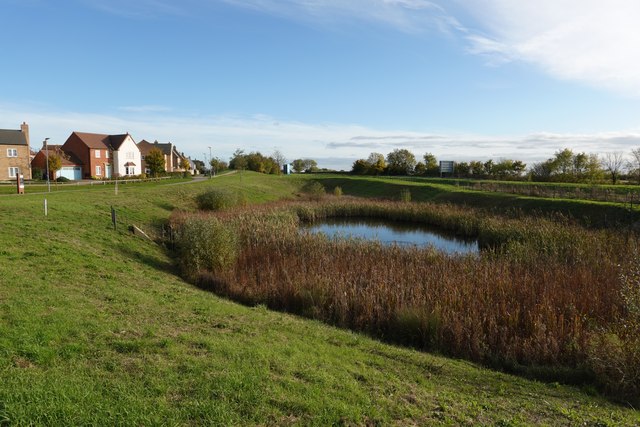
After reviewing current flooding issues in the area, the project team identified potential improvements that could help reduce flooding if funding becomes available in the future.
The images below show example improvements to three types of stormwater infrastructure: inlets, culverts, and detention basins. Use the slider images to explore conceptual examples of how these features could better manage stormwater in this flood prone area.
Note that These images are illustrative and are intended to help visualize the types of improvements that could be considered.
Inlet Infrastructure Improvements
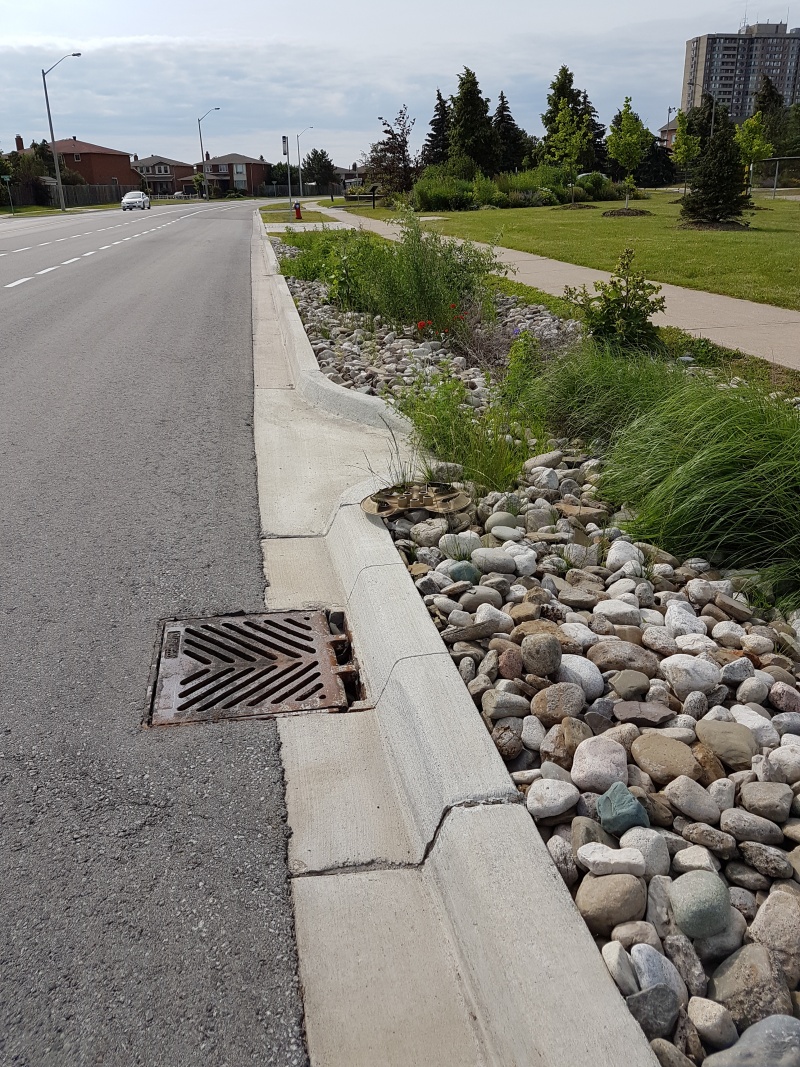
Some examples of stormwater inlet improvements include:
- Larger or upgraded inlet openings that capture more water during storms and reduce pooling along streets and sidewalks.
- Improved grading near inlets that directs stormwater more effectively toward the inlet during heavy rainfall events.
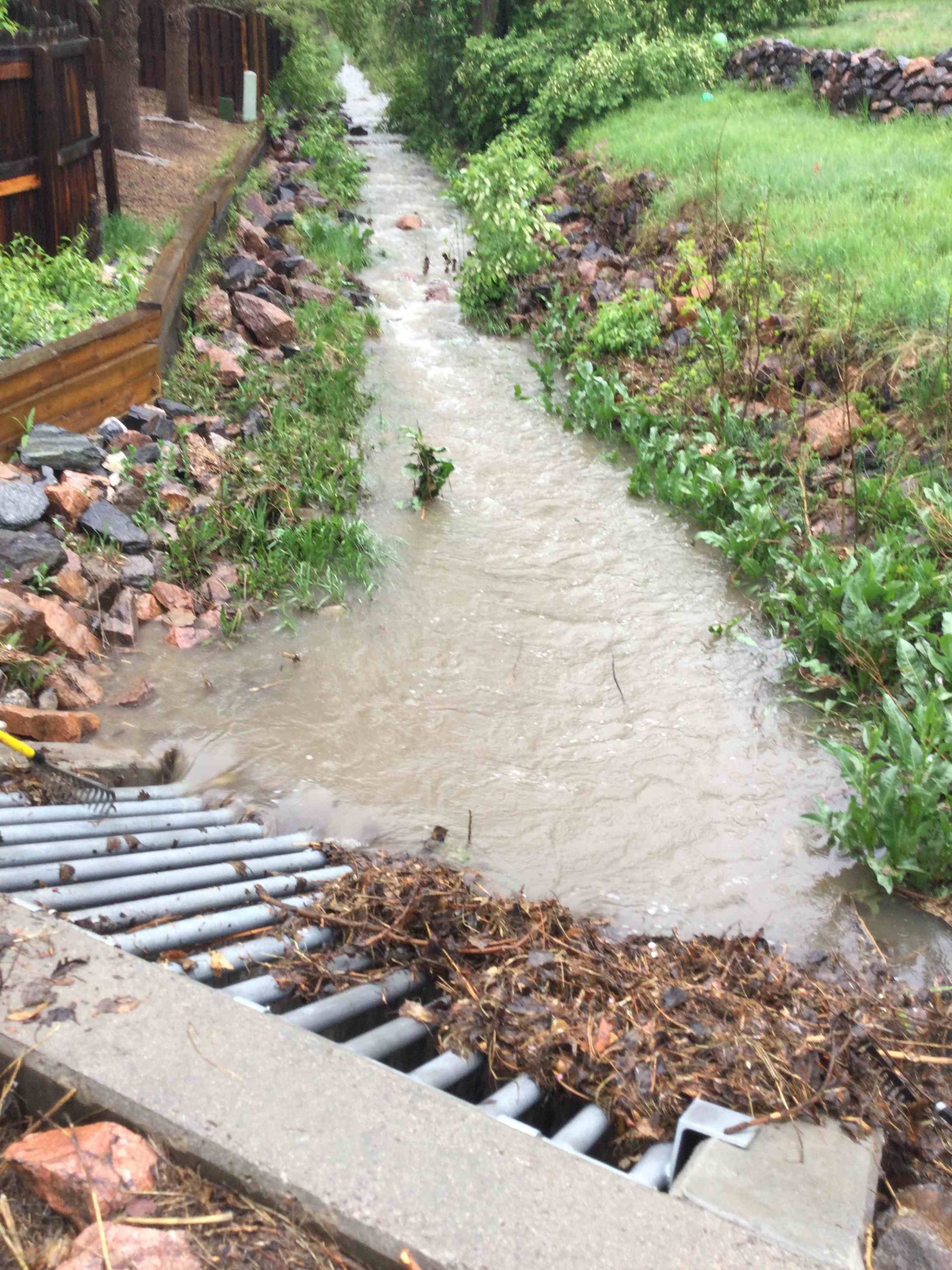
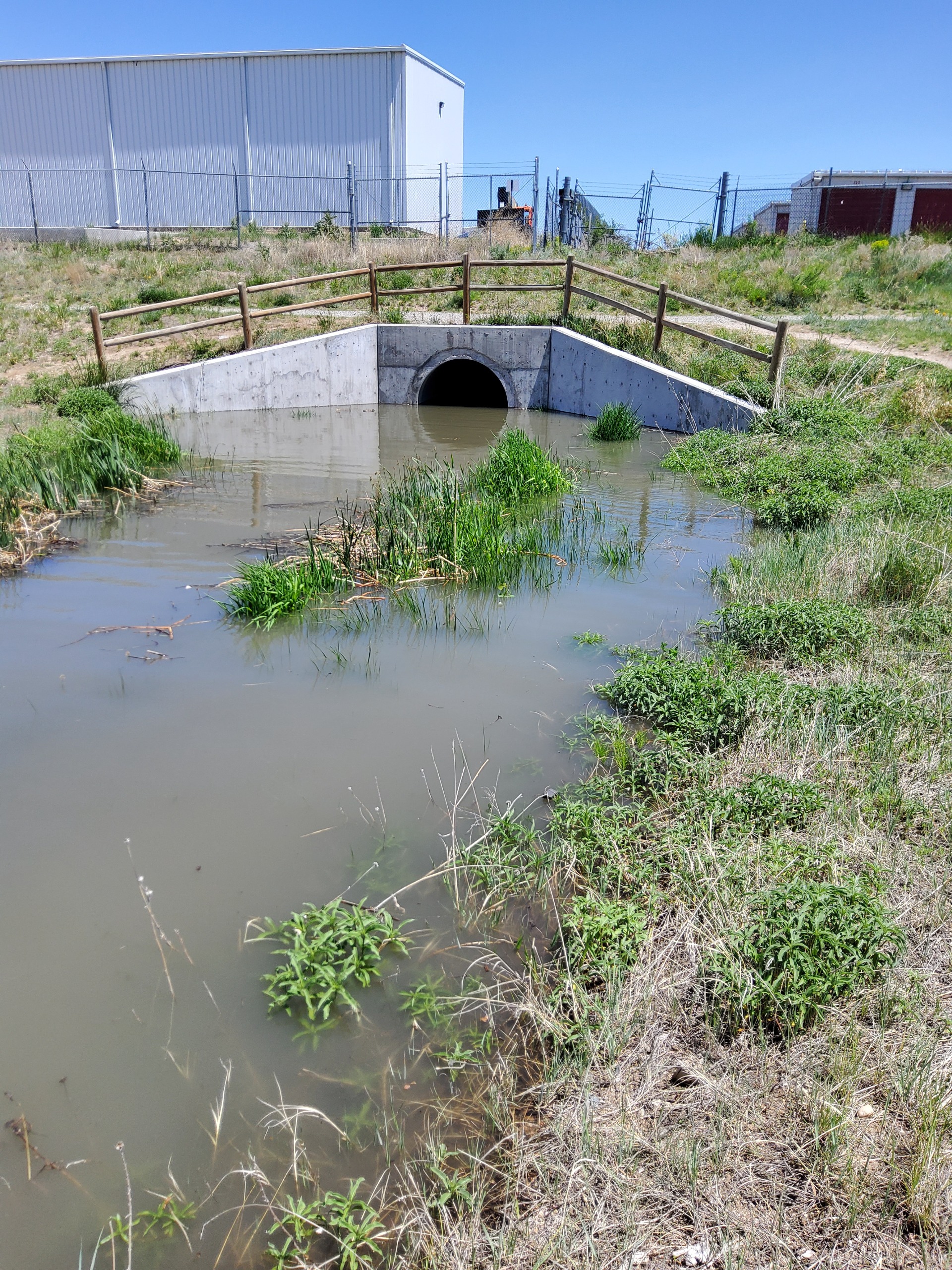
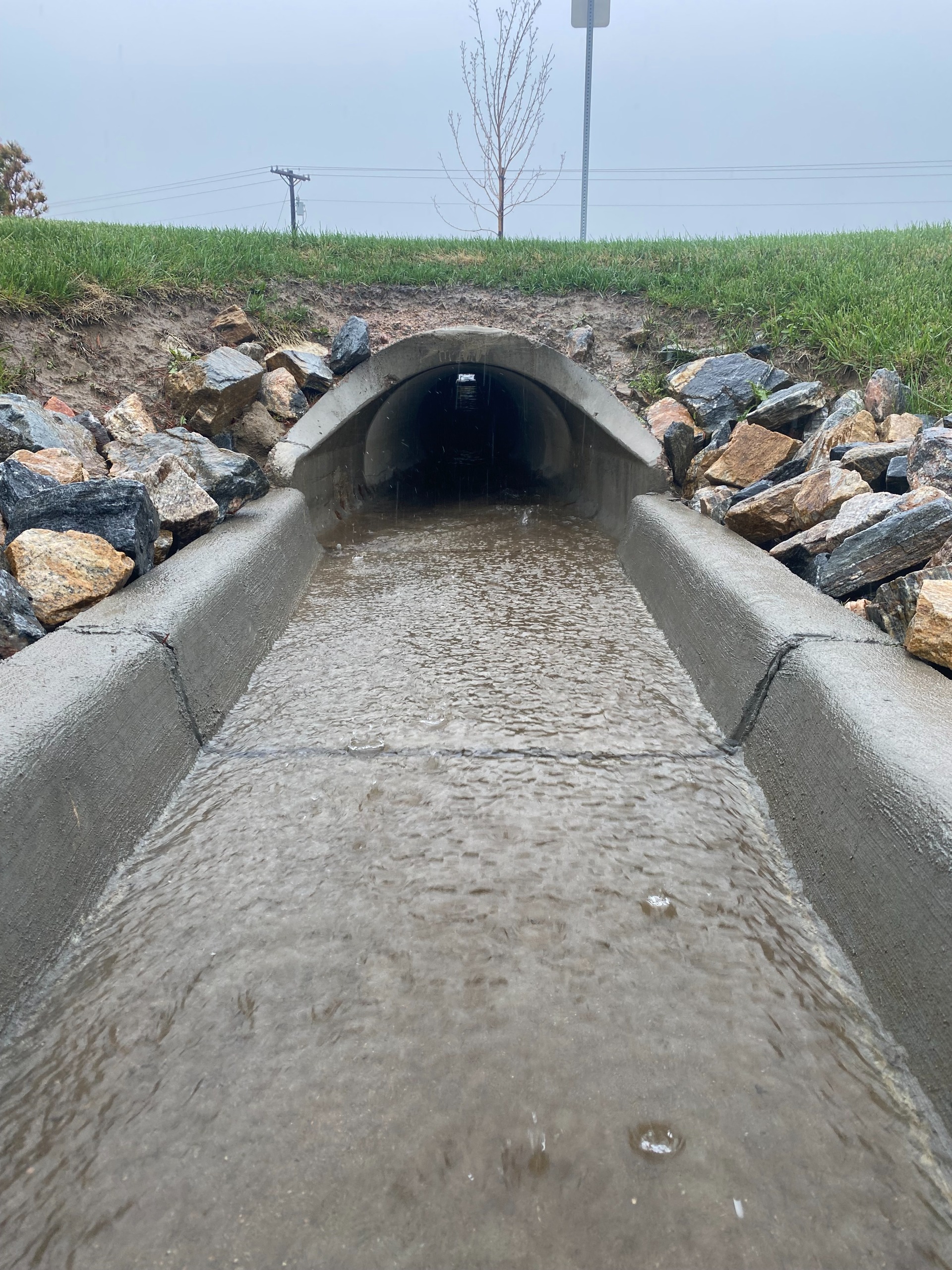
Culvert Improvements
Some examples of culvert improvements include:
- Larger or additional culverts that allow more stormwater to pass through during heavy rain, helping reduce flooding upstream.
- Upgraded culvert materials or shapes that improve water flow and reduce the chance of blockages from debris.
- Stabilized inlets and outlets, such as adding rock or armoring, to reduce erosion and protect nearby roads, trails, or properties.
Detention Basin Improvements
Some examples of detention basin improvements include:
- Increasing basin storage capacity so more stormwater can be temporarily held during heavy rain instead of flooding nearby streets or properties.
- Improving outlet structures to control how quickly water is released, helping reduce downstream flooding and erosion.
- Adding native vegetation and stabilized slopes to improve drainage, reduce erosion, and make the basin easier to maintain and more visually appealing.